

Introduction
Every dog owner wants their furry companion to live a long, healthy, and happy life. One of the best ways to achieve this is through Dog Vet Checkups. Regular veterinary visits help detect health problems early, monitor your dog’s overall well-being, and ensure they receive preventive care before illnesses become serious.
Many diseases develop gradually and may not show obvious symptoms until they become advanced. Routine Dog Vet Checkups allow veterinarians to identify potential issues early, making treatment more effective and often less expensive. Whether you have a playful puppy, an active adult dog, or a senior companion, regular veterinary care is essential at every stage of life.
Why Dog Vet Checkups Are Important
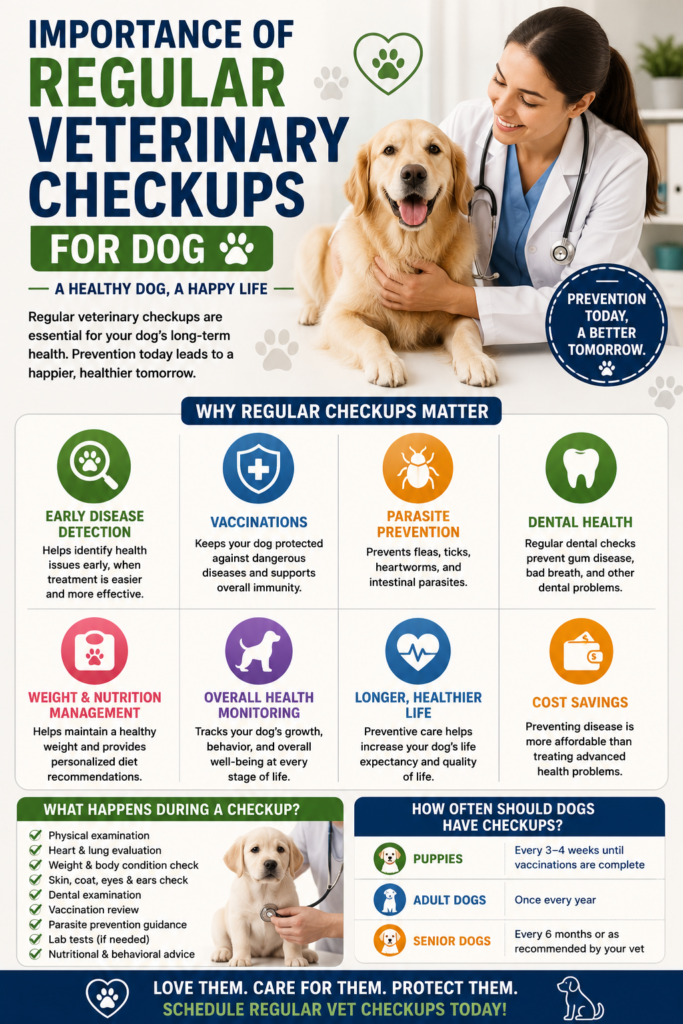
Scheduling regular Dog Vet Checkups is an investment in your pet’s long-term health. Preventive healthcare can improve your dog’s quality of life while reducing the risk of serious medical conditions.
Benefits include:
- Early disease detection
- Better overall health monitoring
- Timely vaccinations
- Parasite prevention
- Dental health evaluation
- Weight management
- Nutritional guidance
- Longer lifespan
Dog Vet Checkups Help Detect Diseases Early
Many serious illnesses develop silently before visible symptoms appear.
Routine examinations help detect conditions such as:
- Heart disease
- Diabetes
- Kidney disease
- Liver disorders
- Arthritis
- Skin infections
- Ear infections
- Cancer in its early stages
Early diagnosis allows treatment to begin before the disease progresses.
Dog Vet Checkups Keep Vaccinations Up to Date
Vaccinations are an essential part of preventive healthcare.
During regular visits, your veterinarian will ensure your dog remains protected against diseases such as:
- Rabies
- Distemper
- Parvovirus
- Hepatitis
- Parainfluenza
- Leptospirosis
- Kennel Cough
Keeping vaccinations current protects both your dog and the community.
Dog Vet Checkups Prevent Fleas, Ticks, and Worms
Parasites can cause serious health problems if left untreated.
Your veterinarian may recommend:
- Flea prevention
- Tick control
- Heartworm prevention
- Deworming treatments
- Parasite screening tests
Preventive treatments are safer and more affordable than treating advanced infestations.
Dog Vet Checkups Support Dental Health
Dental disease affects many dogs but often goes unnoticed.
Your veterinarian will examine:
- Teeth
- Gums
- Mouth
- Bad breath
- Plaque buildup
- Broken teeth
Professional dental care helps prevent infections and tooth loss.
Dog Vet Checkups Monitor Weight and Nutrition
Maintaining a healthy weight reduces the risk of many diseases.
During examinations, your veterinarian may evaluate:
- Body weight
- Body condition score
- Muscle condition
- Dietary habits
- Feeding schedule
- Nutritional deficiencies
Proper nutrition supports a strong immune system and healthy growth.
Dog Vet Checkups for Puppies
Puppies require more frequent veterinary visits because they are still developing.
Puppy checkups usually include:
- Physical examinations
- Vaccination schedule
- Deworming
- Growth monitoring
- Nutrition advice
- Behavioral guidance
Early veterinary care builds a healthy foundation for adulthood.
Dog Vet Checkups for Adult Dogs
Healthy adult dogs should generally visit the veterinarian at least once each year.
Annual visits help:
- Monitor overall health
- Update vaccinations
- Detect hidden illnesses
- Maintain parasite prevention
- Evaluate dental health
Even healthy dogs benefit from routine wellness examinations.
Dog Vet Checkups for Senior Dogs
Senior dogs have a higher risk of developing chronic illnesses.
Older dogs may require veterinary visits every six months.
Regular monitoring helps detect:
- Arthritis
- Vision problems
- Hearing loss
- Kidney disease
- Heart disease
- Diabetes
- Cognitive decline
More frequent examinations improve disease management and quality of life.
What Happens During Dog Vet Checkups?
A complete veterinary examination may include:
- Physical examination
- Temperature check
- Heart and lung evaluation
- Weight measurement
- Skin and coat inspection
- Ear and eye examination
- Dental examination
- Joint assessment
- Vaccination review
- Laboratory testing when needed
Each visit provides valuable information about your dog’s overall health.
How Often Should Dog Vet Checkups Be Scheduled?
General recommendations include:
| Dog’s Age | Recommended Checkups |
|---|---|
| Puppies | Every 3–4 weeks until vaccinations are complete |
| Adult Dogs | Once every year |
| Senior Dogs | Every 6 months |
Your veterinarian may recommend more frequent visits for dogs with chronic medical conditions.
Tips to Get the Most from Dog Vet Checkups
Follow these simple tips:
- Keep vaccination records.
- Bring a list of medications.
- Note any unusual symptoms.
- Ask questions about diet and behavior.
- Follow treatment recommendations.
- Schedule the next appointment before leaving.
Prepared visits help veterinarians provide the best care.
Common Mistakes to Avoid During Dog Vet Checkups
Avoid these common errors:
- Waiting until your dog becomes sick.
- Skipping annual examinations.
- Ignoring minor symptoms.
- Missing vaccination boosters.
- Forgetting parasite prevention.
- Delaying dental care.
Preventive care is always better than emergency treatment.
Conclusion
Regular Dog Vet Checkups are one of the most important aspects of responsible dog ownership. Routine examinations help detect diseases early, maintain vaccinations, prevent parasites, support dental health, and monitor your dog’s overall well-being. By scheduling regular veterinary visits throughout every stage of your dog’s life, you can help ensure your loyal companion enjoys a healthier, happier, and longer life.